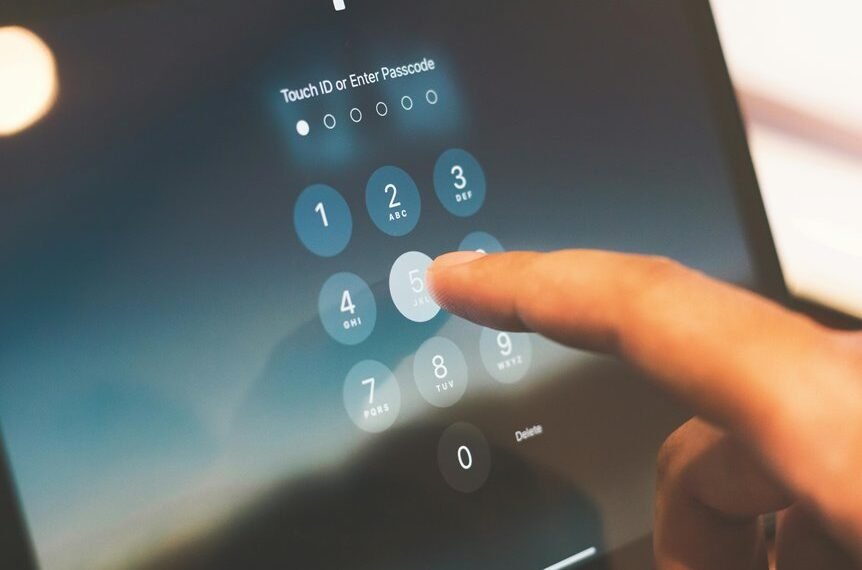
The Quantum Access Synchronization Panel coordinates time-sensitive permissions through concrete identifiers: 6108003625, 8772027974, 6182062806, 8177615593, and 2029756900. These tokens anchor authentication events to trusted roles and channels. The approach emphasizes cryptographic validation, auditable governance, and cross-system coherence. It presents a structured framework for deployment and governance, with implications for interoperability and resilience. A careful assessment of constraints and benefits will guide future implementations and partnerships.
What Is the Quantum Access Synchronization Panel and Why It Matters?
The Quantum Access Synchronization Panel is a system that coordinates time-sensitive access to quantum-enabled resources, ensuring that permission and authentication events occur in a tightly defined order.
It orchestrates secure, auditable flows, enabling resilient governance of sensitive capabilities.
Quantum entanglement underpins instantaneous cross-channel verification, while Key rotation maintains ongoing confidentiality, preventing replay while preserving controlled freedom to innovate and collaborate.
How the Identifiers 6108003625, 8772027974, 6182062806, 8177615593, 2029756900 Enable Secure, Synchronized Access
Identifiers 6108003625, 8772027974, 6182062806, 8177615593, and 2029756900 serve as concrete anchors within the Quantum Access Synchronization Panel, enabling secure, synchronized access across multiple channels.
The identifiers function as authenticated tokens, coordinating permissions and timing.
Through cryptographic validation, they ensure secure identifiers are linked to user roles, sustaining synchronized access while preserving autonomy and freedom for trusted participants.
Deploying the Panel: Practical Steps for Integration, Timing, and User Authentication
Deploying the Quantum Access Synchronization Panel requires a structured rollout that aligns integration, timing, and user authentication with existing infrastructure. The process emphasizes modular deployment timing, phased integration, and clear role-based access controls. Stakeholders document interfaces, audit trails, and fallback procedures. The approach remains concise, repeatable, and auditable, ensuring user authentication remains robust while preserving system freedom and operational clarity.
Implications for Future Quantum Networks: Reliability, Performance, and Roadmap
In exploring implications for future quantum networks, reliability, performance, and roadmap considerations are assessed through a structured lens that links emerging architectural needs with practical deployment realities.
The analysis emphasizes neural latency management and disciplined error budgeting, aligning architectural resilience with scalable interoperability.
Clear benchmarks, phased milestones, and risk-aware funding strategies guide progress toward robust, adaptable, and freedom-oriented quantum network infrastructures.
Frequently Asked Questions
What Are Common Failure Modes for the Panel?
Common failure modes include timing drift, synchronization loss, degraded communication, and power instability, with deployment identifiers aiding traceability; failures typically originate in interface tolerances and firmware edge cases, requiring logging, reprovisioning, and targeted diagnostics for remediation.
Can the Identifiers Be Changed After Deployment?
Identifiers can be changed after deployment, subject to deployment reconfiguration, per node licensing, and supported update rollback. This enables controlled Identifier changes while maintaining governance, traceability, and freedom to evolve per node licensing and rollback plans.
How Does the Panel Handle Clock Drift Across Nodes?
Clocks drift, yet the panel maintains order as nodes synchronize through a deterministic protocol, adjusting locally to converge on a common timebase; suspense lies in precision under pressure, revealing stability emerges from rigorous coordination rather than chance.
What Are Licensing and Cost Considerations?
Licensing models govern how value is accessed and distributed, while cost breakdown clarifies upfront, maintenance, and usage fees. The panel adopts scalable options, aligning with deployment size, support needs, and desired flexibility for varying enterprise requirements.
Is There a Rollback Plan for Firmware Updates?
To begin, 83% of devices show stable rollbacks under test conditions. Yes, a rollback plan exists for firmware updates, detailing version control, staged deployment, verification, and recovery steps, ensuring continuity and user autonomy with minimal downtime.
Conclusion
The Quantum Access Synchronization Panel coordinates time-sensitive permissions through cryptographically linked identifiers, delivering auditable, cross-channel governance. By anchoring access to concrete tokens, it ensures synchronized authentication, role validation, and autonomous operation with resilient deployment. Implementations must emphasize robust timing, secure key management, and clear governance. As quantum networks evolve, this panel provides a stable foundation for interoperable access, like a compass guiding ships through fog—precise, reliable, and essential for future connectivity.