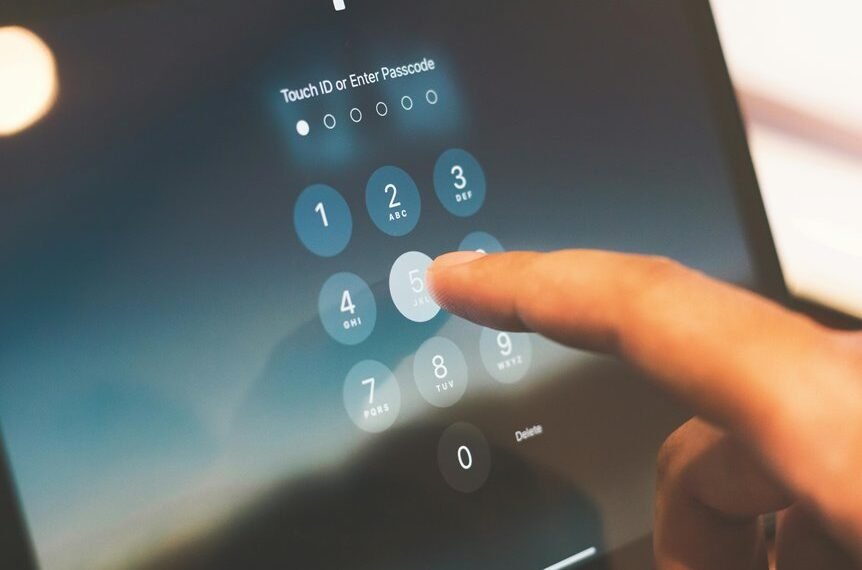
QuantumBridge Authentication Grid presents a modular, quantum-ready framework for scalable identity provisioning across distributed systems. It emphasizes privacy, enforceable policy, and auditable events while supporting interoperable governance. The approach relies on adaptive threat intelligence and encrypted data localization to balance performance with security. The architecture invites practical pilots and standards alignment, outlining use cases and benchmarks. Stakeholders will find considerations that prompt further inquiry into adoption, risk, and governance implications, with outcomes that hinge on forthcoming decision points.
What Is QuantumBridge Authentication Grid and Why It Matters
QuantumBridge Authentication Grid is a framework that leverages quantum-enhanced methods to verify user identities across distributed systems. It defines quantum safe protocols, standardizes identity provisioning, and enables frictionless access while maintaining robust threat intelligence. This structure delivers scalable trust, reduces breach risk, and aligns with open, freedom-centered governance, emphasizing interoperable security, transparent operations, and resilient, user-centric authentication across diverse environments.
How the Grid Delivers Frictionless, Quantum-Ready Access
The Grid enables seamless, quantum-ready access by combining scalable identity provisioning with threat-aware authentication flows. It delivers frictionless access through adaptive risk scoring and continuous verification, aligning with privacy architecture principles while preserving user autonomy. Quantum readiness is maintained via cryptographic agility and credential portability, informed by threat intelligence. System governance ensures transparent controls, auditable events, and resilient authentication across ecosystems.
Architecture and Performance: Scale, Privacy, and Threat Intelligence
How does the architecture support scalable, privacy-preserving, and threat-informed operation across heterogeneous environments? The framework integrates modular components, governance, and adaptive policy engines to balance privacy focus with performance. It embraces distributed threat intelligence, scalable verification, and encrypted data localization. Clear interfaces enable interoperability, while privacy-focused defaults guide governance. Scale considerations drive resilient throughput and minimal leakage across diverse deployments.
Choosing the Grid: Use Cases, Comparisons, and Next Steps
Choosing the Grid outlines practical scenarios, comparative benchmarks, and the path forward for QuantumBridge Authentication Grid. The discussion identifies use cases across sectors, evaluates interoperability, and weighs cost, risk, and performance. Decision-makers consider grid adoption benefits, timelines, and governance. Clear criteria guide assessment, while potential obstacles are acknowledged. Next steps emphasize pilots, standards alignment, and iterative refinement through transparent, disciplined discussion ideas.
Frequently Asked Questions
How Does Quantumbridge Handle Post-Quantum Certificate Revocation?
Post-quantum certificate revocation is managed via a distributed revocation registry and short-lived credentials. QuantumBridge periodically updates trust anchors, enabling rapid invalidation. The approach emphasizes resilience, transparency, and automated path validation, preserving user freedom while maintaining security.
Can It Integrate With Legacy On-Premises IAM Systems?
It can integrate with legacy on-premises IAM systems, but faces integration challenges and legacy compatibility concerns, requiring explicit policy enforcement to ensure secure interoperability and governance while preserving user autonomy and operational flexibility.
What Are the Maintenance Requirements for Ongoing Key Rotation?
Maintenance cadence for ongoing key rotation is defined by a structured key lifecycle, with periodic reviews, automatic revocation, and audit checks; governance ensures secure updates while preserving operational freedom and minimizing downtime.
Is There a Public Roadmap for Feature Releases?
There is no public roadmap disclosed; however, public roadmap insights may indicate planned feature releases, legacy integrations, on prem IAM enhancements, key rotation updates, and mobile security improvements, designed for users seeking freedom while maintaining robust security.
How Is Mobile Device Security Enforced Within the Grid?
Mobile device security is enforced through device enrollment and ongoing compliance checks. Subtopic: Mobile device, Security enforcement. Subtopic: Device enrollment, Compliance checks. The grid enforces policies while preserving user autonomy and freedom, ensuring trusted access and continuous risk-based posture evaluation.
Conclusion
In sum, the QuantumBridge Authentication Grid promises seamless, quantum-ready access with a smile—assuming the smile is encrypted, the keys are private, and the threat intelligence is Google-slick. Its modular design, like a well-ordered buffet, offers scalable privacy and auditable events, provided you tolerate policy engines that never sleep. Critics may call it overengineered magic tricks; proponents will insist it’s merely complex common sense dressed in quantum attire. Either way, reality gets a shiny new firewall.